
Last updated November 14, 2026
 Wrought iron
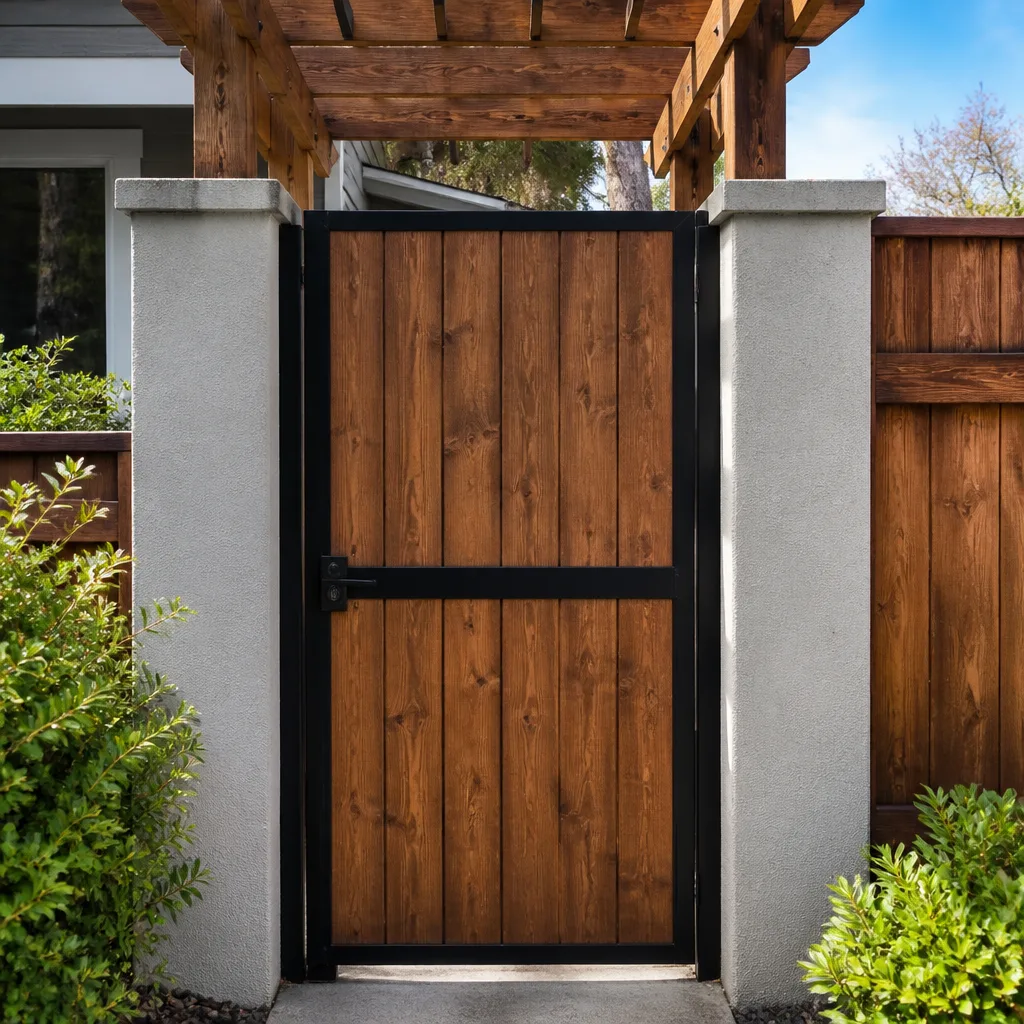 Wood & steel frame
 Farm & ranch
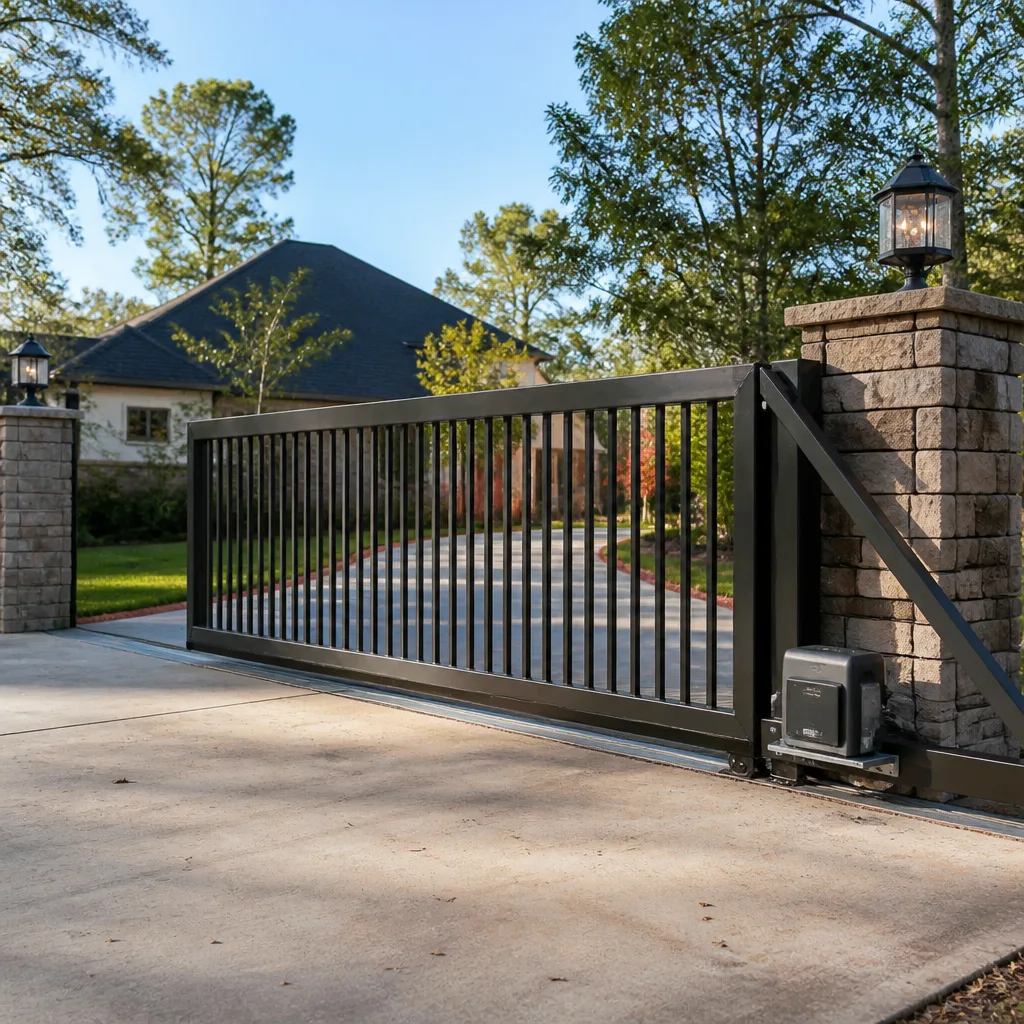 Sliding driveway gates
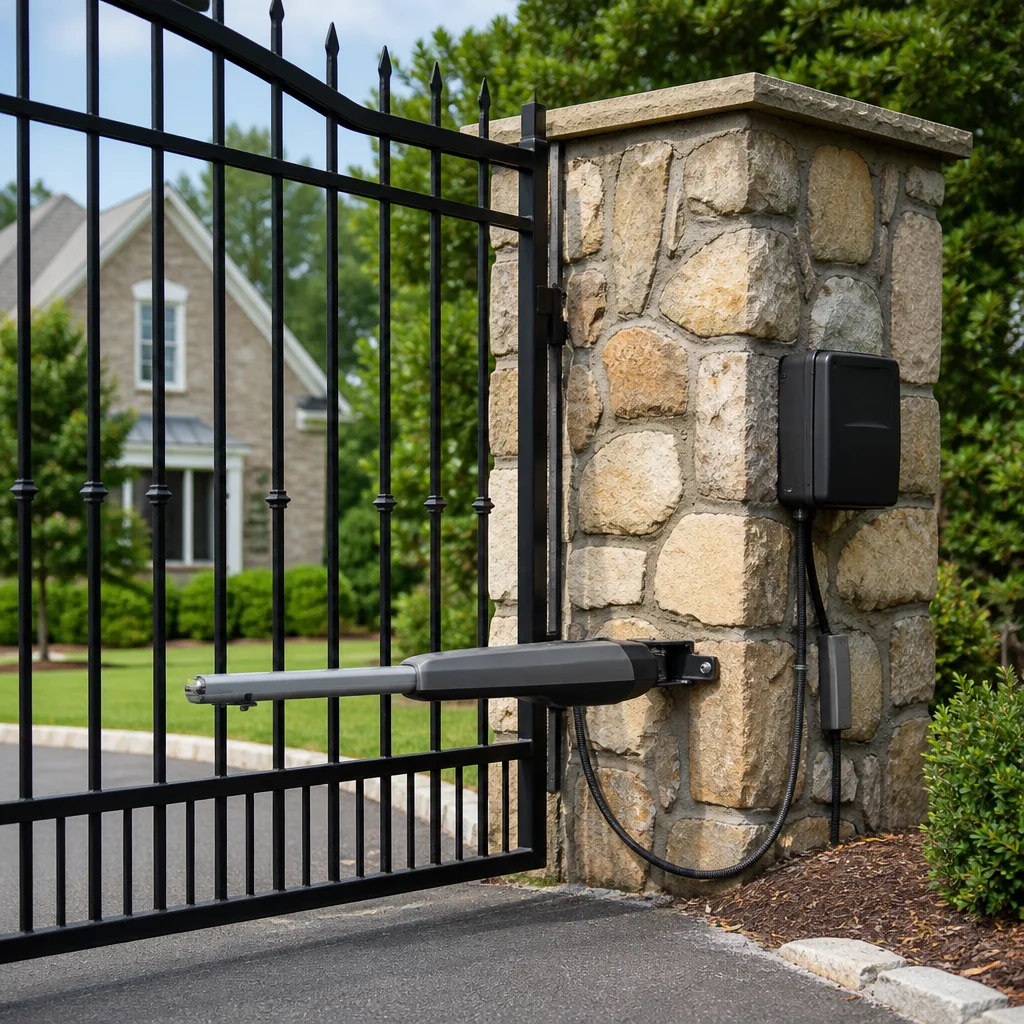 LiftMaster operators
Free on-site gate assessment - hinges, posts, and your LiftMaster or Nice gate operator checked before anything is quoted
The assessment is free and the quote is the invoice.
Get your free estimateGate Repair Maintenance Checklist for Visalia Homeowners
Most maintenance schedules shipped with gate operators assume a mild, clean, average climate. Visalia isn’t that. Summers here routinely run past 100°F for weeks at a stretch, the air carries fine agricultural dust from the surrounding Valley, and the water at the hose bib is hard enough to leave white scale on anything it touches. Those three conditions change what a gate needs and when it needs it. A checklist written for a coastal suburb will have you servicing the wrong parts at the wrong intervals. This guide is built around what actually wears out on a gate in Visalia, how often to check it, and the point where a maintenance task stops being maintenance and becomes a repair.
Styles & brands we work with
- Wrought iron
- Wood & steel frame
- Farm & ranch
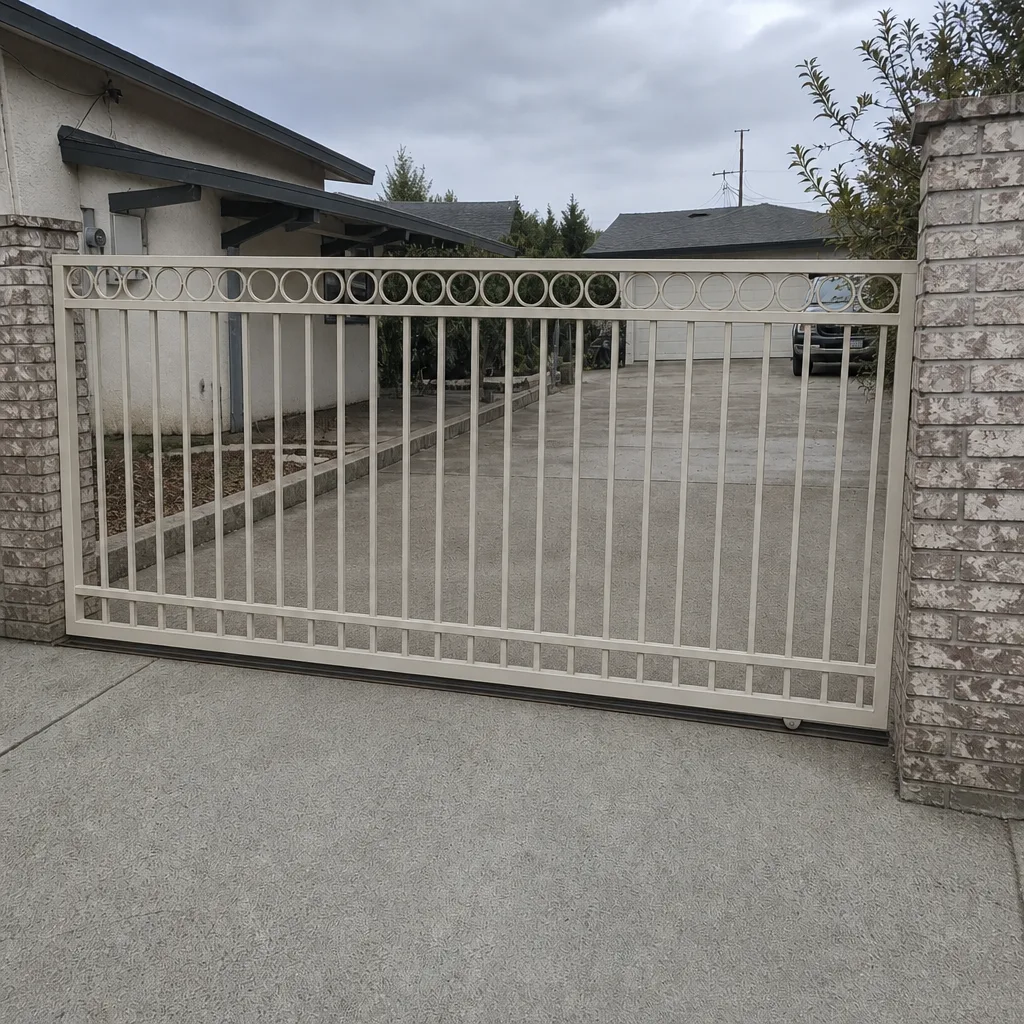
- Sliding driveway gates
- LiftMaster operators
Quick Answer
A gate in Visalia needs monthly inspection and cleaning of the operator housing, hinges, and track; quarterly lubrication with a high-temperature, dust-resistant product and a full safety-device test; and an annual professional service of the motor, control board, and mounting hardware. Valley dust and hard water are the two biggest accelerants of wear here, so cleaning intervals matter more than most manufacturer guides suggest.
Table of Contents
- Why a Visalia Gate Wears Differently
- Monthly Checklist: Dust, Dirt, and Visual Inspection
- Quarterly Checklist: Lubrication and Safety Testing
- Annual Checklist: Professional Service and Operator Health
- How Valley Dust Gets Into an Operator and What to Do
- Hard Water Buildup on Hinges and Rollers
- Heat Cycling: Seals, Rollers, and Control Boards
- Choosing a Lubricant That Survives Visalia Heat
- Where Maintenance Ends and Repair Begins
- Common Mistakes to Avoid
- When to Call a Professional
- Frequently Asked Questions
- The Bottom Line
Why a Visalia Gate Wears Differently
A gate is a mechanical system that lives outdoors, and outdoor mechanical systems age according to their environment. In Visalia that environment is unusually punishing. Summer highs climb well into triple digits, and the number of days above 90°F each year is high enough that rubber seals, nylon rollers, and the capacitors on a control board go through more expansion and contraction in one season than they might in several years in a cooler place. Add the fine dust that settles on every horizontal surface in the Valley, and you get a gate that needs attention on a schedule the manufacturer never anticipated.
The dust is the part most homeowners underestimate. It’s fine enough to pass through the gaps in an operator housing and abrasive enough to wear down moving parts once it’s inside. It also mixes with lubricant to form a gritty paste that does more damage than dry friction alone. Hard water compounds the problem: every time the sprinklers hit a hinge or you rinse the driveway, minerals deposit on the pivot points and rollers, and those deposits build up into a crust that stiffens the whole gate over time.
What that means in practice is that a Visalia gate needs more frequent cleaning and a different lubrication strategy than a generic checklist recommends. The tasks themselves are familiar. The intervals and the products are what change. If your gate has started to show the signs we cover below, the route back to smooth operation usually starts with a straightforward gate repair visit rather than a full replacement.
Monthly Checklist: Dust, Dirt, and Visual Inspection
Sixty minutes once a month catches most of the problems that turn into expensive repairs. You’re not disassembling anything. You’re looking, wiping, and listening.
- Blow dust off the operator housing. Use a leaf blower on low or a can of compressed air around the vents and seams. Don’t spray water into the housing. Dust that sits on the vents gets pulled inside by the motor’s own cooling airflow.
- Wipe down the track or the swing arc. On a sliding gate, run a dry brush or cloth along the track to clear grit. On a swing gate, clear leaves and dirt from the base plate area where the hinge post meets the ground.
- Look at the hinges and rollers. Check for white mineral crust, rust bloom, or flat spots on roller wheels. A roller with a flat spot will thump as the gate moves and should be flagged for replacement.
- Inspect the safety sensors and photo-eye lenses. Wipe the lenses clean. Dust film on a photo-eye is one of the most common reasons a gate stops closing for no apparent reason.
- Test the gate by hand (with the operator disengaged, if your model allows it). Push the gate through its travel. It should move smoothly with light effort. Any binding, scraping, or hard spot is a signal to investigate before it strains the motor.
- Listen. Run the gate and pay attention to new noises: grinding, rattling, a labored hum, or a click that wasn’t there last month. Noise is usually the first sign of a failing bearing or a loose mounting bolt.
Note what you find. A written log of noises, dates, and small issues makes diagnosis faster when you do call a technician, and it’s the difference between fixing the actual problem and guessing at it.
Quarterly Checklist: Lubrication and Safety Testing
Every three months, the monthly inspection grows into a lubrication and safety pass. This is also the interval where you should be honest about whether the gate is getting stiffer.
- Lubricate hinges, pivot points, and rollers with a product suited to high heat and dust (more on which ones below). Wipe off the old lubricant and grit first. Fresh lubricant applied over a dirty pivot just traps the grit in place.
- Check the chain or drive mechanism on a sliding gate for slack and dry links. A dry chain wears fast in dusty conditions.
- Test the safety reverse or obstruction detection. Put a solid object in the gate’s path and confirm the gate stops and reverses. If it doesn’t, stop using the automatic function until it’s fixed. This is the single most important safety test on any automated gate.
- Test the photo-eye alignment. Break the beam with your hand and confirm the gate responds. Realign any sensor that’s been nudged by a car or a lawnmower.
- Check the manual release. Confirm the key or handle works and the release actually disengages the operator. In a power outage, this is how you get your car out.
- Inspect the control board area for dust accumulation, insect nests, or signs of moisture. Don’t poke at the board with anything metal. Visual inspection only.
- Walk the perimeter of the gate posts and check for loosening. A post that rocks slightly in its footing will throw the whole gate out of alignment over a season.
Safety devices are the part of this checklist we’d never let a homeowner skip. Circuit boards, wiring, and the powered components of an operator carry real electrical risk, and heavy gate panels can crush. If anything in the safety testing above fails, that’s a job for a trained technician, not a weekend project.
Annual Checklist: Professional Service and Operator Health
Once a year, the gate deserves a full service by someone who works on gates every day. In Visalia’s conditions, that annual visit is where you catch the things that a visual inspection can’t see: a capacitor that’s drifted out of spec, a gear that’s worn past tolerance, a control board that’s been running hot all summer.
- Motor and gearbox inspection. Listen to the motor under load, check the gearbox for wear, and confirm the motor isn’t running hotter than it should.
- Control board diagnostics. Test the board’s voltage and capacitor health. Heat cycling degrades capacitors faster than anything else on a control board, and a weak capacitor is behind a surprising number of “the gate won’t open” calls.
- Mounting hardware torque check. Bolts that hold the operator to its pad or post loosen over a season of vibration. Loose mounting throws off limit settings and stresses the motor.
- Battery backup check if your operator has one. A battery that’s been cooked by a Valley summer may not hold a charge through the next outage.
- Access control review. Test every remote, keypad code, and entry device. If your gate runs on a Linear or Ghost Controls system, the technician should know the quirks of that specific unit.
- Full safety certification. Re-test every safety device end to end: reverse, obstruction detection, photo-eyes, and any loop detector on the driveway.
This is also the right visit to ask about anything that’s been nagging you all year. A technician with the gate open and the board exposed can answer questions that a phone call can’t.
How Valley Dust Gets Into an Operator and What to Do
Fine agricultural dust doesn’t sit politely on top of an operator housing. It gets pulled in through the cooling vents while the motor runs and settles on the control board, the motor windings, and the gear grease. Once inside, it does two things: it insulates the components that are supposed to shed heat, and it turns the grease into an abrasive paste. Both shorten the life of the motor.
The practical cleaning interval in Visalia is shorter than a manufacturer’s guide will tell you. Blow out the housing exterior monthly, and have the housing opened and cleaned professionally once a year. If your property sits near an orchard, a packing house, or an unpaved lot, dust accumulates faster and a shorter interval makes sense.
Manufacturer brand plays into this less than you’d think. A BFT or Viking operator is built well, but no housing is dust-proof. What matters is recognizing when the operator is straining because the internals are packed with grit. If your motor has started running longer than usual to move the same gate, or if it’s noticeably hot to the touch after a normal cycle, that’s your cue. We carry familiarity with the major brands, including FAAC, BFT, DoorKing, and Viking, so a technician arrives already knowing what’s inside your housing and how it comes apart.
Hard Water Buildup on Hinges and Rollers
Hard water is the maintenance issue most generic checklists leave out entirely, and it’s the one we see most often around Visalia. Every time irrigation spray hits a hinge, a roller, or a slide track, minerals in the water deposit on the metal as the water evaporates. Do that all summer and the residue becomes a hard crust that stiffens the pivot and grinds down the roller surface.
The fix is simple if you catch it early: wipe mineral deposits off hinges and rollers monthly with a damp cloth, then dry the surface completely before applying lubricant. For crusted deposits that have hardened, a mild descaling wipe designed for metal will break them down without scratching. Never use a metal scraper or a wire brush. They scar the pivot surface, and a scratched pivot collects even more residue next season.
You can also reduce the source. If your sprinklers are hitting the gate, redirect them or shorten the run time. A gate that stays dry between irrigation cycles will build up far less mineral crust than one that gets a daily shower. On swing gates, check the bottom hinge first. It’s closest to the splash zone and usually the worst offender.
Heat Cycling: Seals, Rollers, and Control Boards
Visalia summers push gate components into a range that a lot of equipment wasn’t designed to live in continuously. The mechanism isn’t complicated: parts expand in the heat of the day and contract overnight, and after enough cycles the materials fatigued.
- Rubber seals and weatherstripping dry out, crack, and lose their grip in the heat. Check seal condition each quarter and replace them before they fail and let dust and moisture into the housing.
- Nylon rollers flatten and glaze under sustained heat and load. A roller with a flat spot or a shiny glazed surface should be replaced before it damages the track.
- Control board capacitors are the heat-sensitive component most people don’t think about. Electrolytic capacitors degrade faster at high temperatures, which is why a board that’s worked for years can suddenly cause erratic opening and closing. This is diagnostic work for a technician, not a homeowner swap.
- Motor windings and grease also run hotter in triple-digit heat. A motor that’s straining because of a stiff gate or packed dust generates more heat than it should, which compounds the problem. Smooth operation is what keeps the motor cool.
If the gate lives in full afternoon sun, shade for the operator housing (not the moving gate itself) can meaningfully reduce heat stress. Keep the vents clear and never box the housing in.
Choosing a Lubricant That Survives Visalia Heat
Lubricant choice is where a lot of homeowners go wrong in this climate. The wrong product doesn’t just fail to protect; it makes things worse. Here’s how we think about it.
- Use a high-temperature lithium or silicone-based grease on hinge pins, pivot points, and gate operators. These hold up in sustained heat and resist washing out.
- Use a dry silicone spray or a dry PTFE (Teflon) lubricant on sliding tracks, rollers, and anywhere dust is a chronic problem. Dry lubricants leave a film that won’t grab grit.
- Avoid standard “wet” oil or heavy grease on exposed tracks and rollers. In a dusty environment, wet lubricant turns into a grit magnet, and the resulting paste wears parts faster than no lubricant at all.
- Always clean before you lubricate. A clean, dry surface then fresh lubricant is the whole process. Skip the cleaning and you’re sealing grit in.
- Keep the carton or label. When a technician services the gate, knowing what’s been applied makes diagnosis easier and prevents mixing incompatible products.
What product you choose matters less than using it consistently and applying it to clean surfaces. We’ve seen gates in Visalia last years longer than neighbors’ simply because the pivots were lubricated on a schedule with the right product and cleaned first.
Where Maintenance Ends and Repair Begins
Maintenance keeps a healthy gate healthy. It doesn’t fix a failing one, and knowing the difference saves money. These are the indicators that a task has crossed into repair territory.
- Grinding or whining from the operator. A motor that’s never made that sound and now does has internal wear. That’s a repair, and continuing to run it makes it worse.
- The gate reverses without an obstruction. Erratic safety behavior means a sensor, alignment, or board issue. Stop using the automatic function and get it diagnosed.
- Visible rust or stress cracks on the gate frame or posts. Lubrication won’t fix structural wear. A technician needs to assess whether the member can be repaired or replaced.
- Binding or a hard spot even after cleaning and lubricating. That’s an alignment, roller, or track problem that needs adjustment, not more grease.
- Repeated remote or keypad failures on a known-good system. It could be the receiver, the board, or a battery. We service remotes, receivers, and access control as part of electric gate repair, so the diagnosis covers the whole system.
- The gate moves noticeably slower or faster than it used to. Speed drift usually means a limit setting or motor issue rather than a simple clean-and-lube.
- The manual release no longer works. That’s a safety and access issue, and a technician should check the operator before the next outage.
When you hit one of these, the goal is diagnosis, not replacement. A specialist can tell you whether you’re looking at a bearing, a board, or an operator that’s genuinely at the end of its service life. We work with whatever system you already own, including brands like Linear and Ghost Controls, so an honest answer doesn’t depend on selling you a new unit.
Common Mistakes to Avoid
- Lubricating without cleaning first. Applying fresh grease over old dust and grit traps abrasives against the pivot. Wipe dry, then apply.
- Using WD-40 as a long-term lubricant. It’s a light oil that evaporates and attracts dust. It’s fine for freeing a seized bolt; it’s not a gate lubricant.
- Power-washing the operator housing. Water forced into a housing is far more destructive than dust. Clean the housing dry, and only the exterior at that.
- Ignoring hard water deposits because they don’t seem urgent. Mineral crust on hinges and rollers stiffens the gate and stresses the motor. It’s one of the most avoidable causes of expensive repairs in Visalia.
- Assuming the gate’s job is to sit in the sun and be fine. The gate is outdoors in triple-digit heat for months. It needs the same attention you’d give any outdoor equipment in this climate.
- Skipping the safety tests. A gate that fails to reverse or stop on an obstruction can hurt someone. Test it every quarter and fix any failure immediately.
- Letting a brand-specific issue get misdiagnosed. A general handyman may not be familiar with a BFT control board or a Ghost Controls receiver. Working on a system daily is what makes diagnosis fast and accurate.
When to Call a Professional
Call a professional when the operator makes a new noise, when the safety reverse or obstruction detection fails even once, when the gate binds after cleaning and lubricating, when you see stress cracks or rust on the frame, when the manual release doesn’t work, or when a control board, capacitor, or access device behaves erratically. Electrical components and heavy gate panels are genuinely dangerous to handle incorrectly, and diagnosis is where a specialist earns their fee. Gate Repair Visalia offers free estimates in Visalia and works on your existing equipment across LiftMaster, FAAC, BFT, Linear, Viking, Ghost Controls, DoorKing, Elite, and Mighty Mule. Call (844) 702-1433 for an estimate. Our technicians have up to 14 years of experience on gates specifically.
Frequently Asked Questions
Monthly cleaning and visual inspection, quarterly lubrication and safety testing, and an annual professional service of the motor, board, and mounting hardware. Visalia’s dust and heat push the intervals toward the shorter end of what a manufacturer guide recommends.
Yes. Fine Valley dust gets pulled into the housing through the cooling vents, settles on the motor and board, and mixes with the gear grease to form an abrasive paste. It shortens motor life and is one of the most common causes of premature operator failure in Visalia. Cleaning the housing exterior monthly and having it opened and cleaned once a year is the practical defense.
High-temperature lithium or silicone grease on hinge pins, pivots, and operators, and a dry silicone or dry PTFE spray on tracks and rollers. Avoid wet oil and heavy grease on exposed tracks because dust sticks to them. Always clean the surface before applying.
It can be. Mineral crust stiffens the pivot and grinds down the roller over time, which strains the motor. Wipe deposits off monthly with a damp cloth, dry completely, then lubricate. For hardened deposits, use a mild descaling wipe, never a wire brush or metal scraper.
Yes, and you should, every quarter. Place a solid object in the gate’s path and confirm the gate stops and reverses. Break the photo-eye beam with your hand and confirm the gate responds. If either test fails, stop using the automatic function and call a technician. We answer 24/7.
It depends on what’s failing. Bearings, rollers, capacitors, and sensors are almost always repairable. A motor with internal gear wear or a board with multiple failed components may be past its service life. A specialist can diagnose it honestly and won’t push a replacement you don’t need. We work on your existing brand, including BFT, Linear, and Ghost Controls systems, with parts that fit what you already own.
The Bottom Line
A maintenance checklist for a gate in Visalia has to account for triple-digit heat, agricultural dust, and hard water, because those three conditions age a gate faster than a generic guide assumes. The core routine is straightforward: monthly cleaning and visual inspection, quarterly lubrication and safety testing, annual professional service of the operator and board. Clean before you lubricate, use products meant for heat and dust, and treat dust and mineral buildup as real problems, not cosmetic ones. When noise, binding, or a failed safety test shows up, get it diagnosed before it becomes a bigger repair.
Gate Repair Visalia is a gate specialist, not a generalist. We repair, service, and install gate systems for homes and commercial properties, and we work on the brand you already own. Call (844) 702-1433 for a free estimate. We answer 24/7. Fast dispatch from 7am to 7pm, Sunday through Friday. You can also start with the main page for Gate Repair Visalia if you’d like to see everything we handle, or learn more about the area we cover in Visalia.
Written by the team at Gate Repair Visalia.
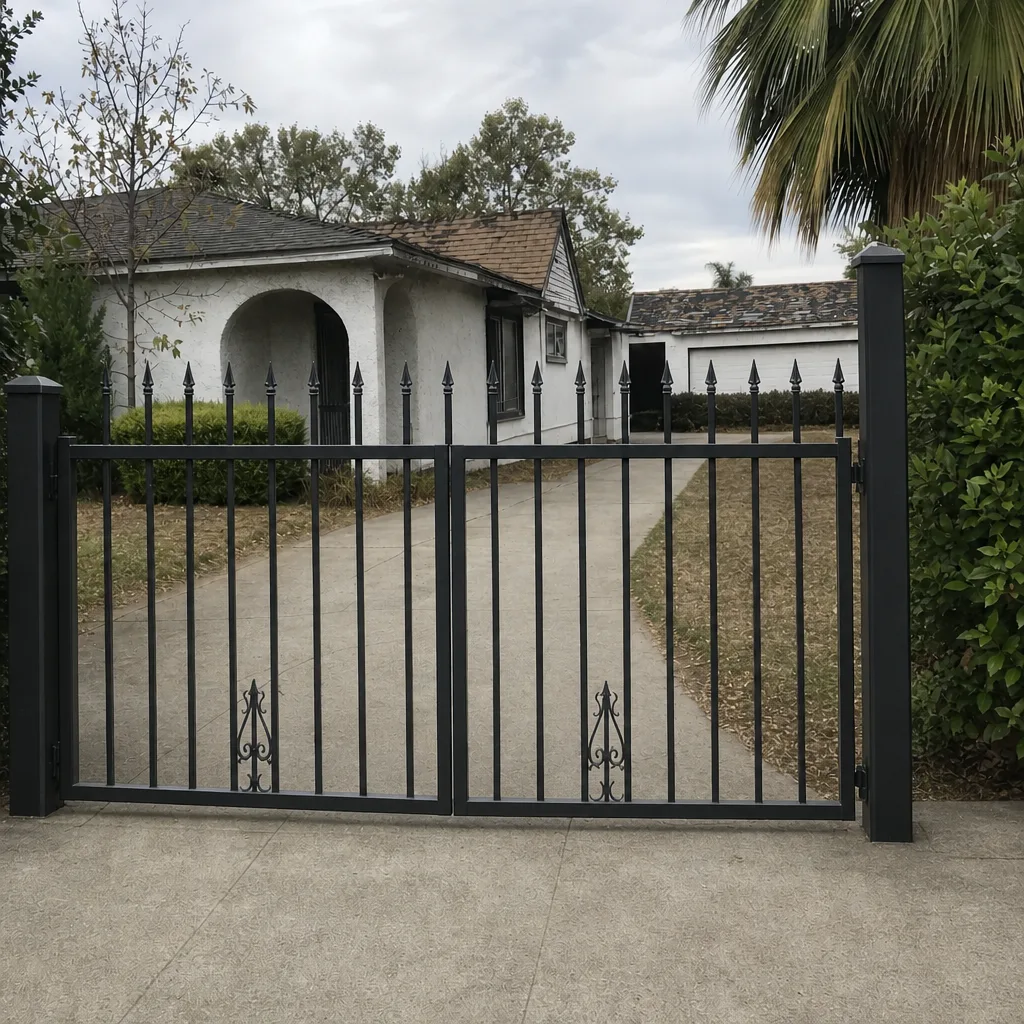
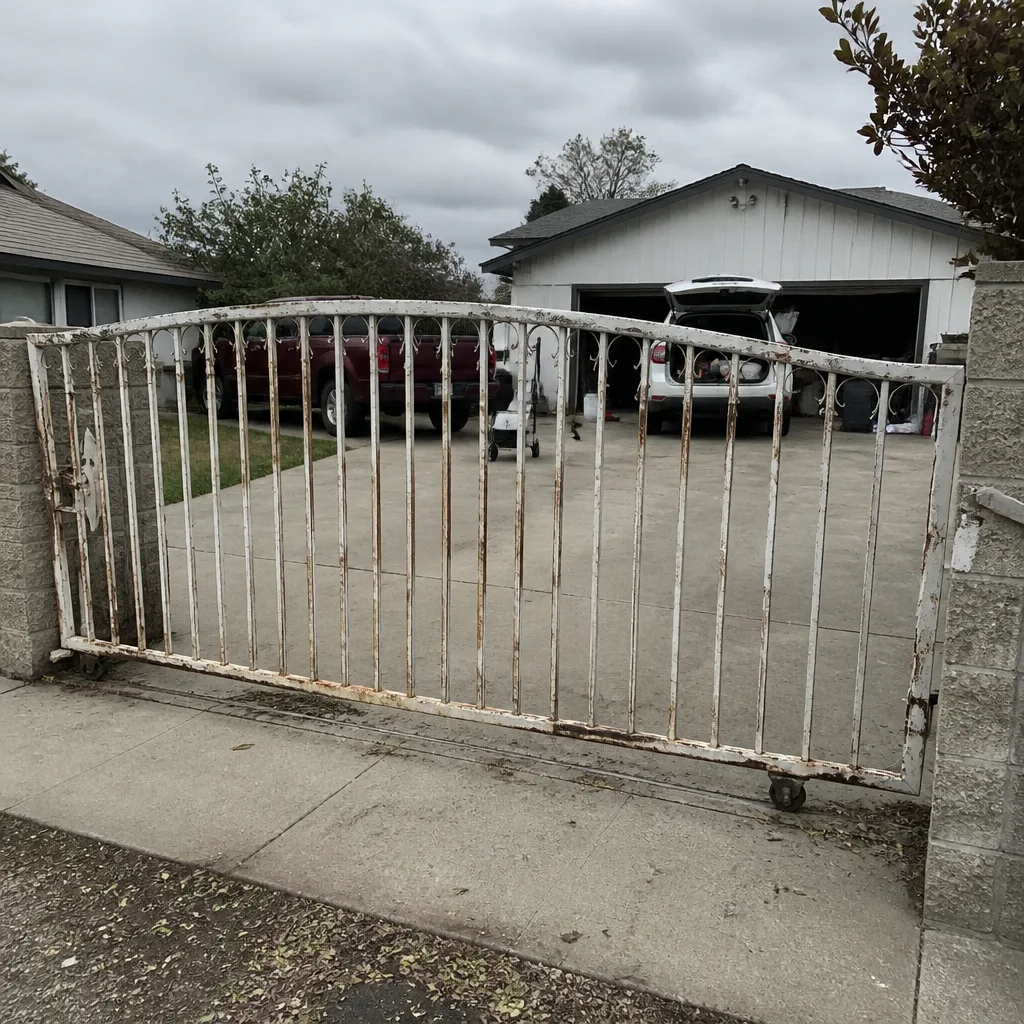
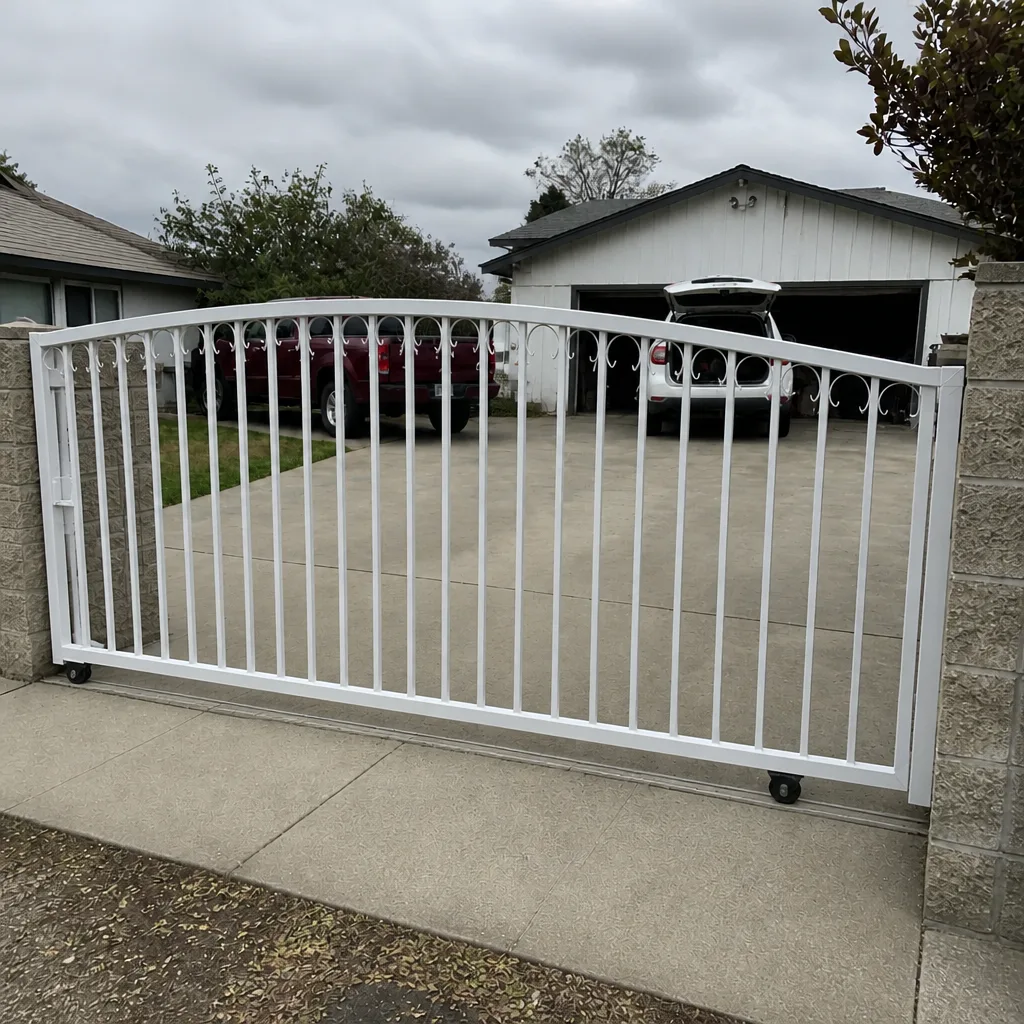
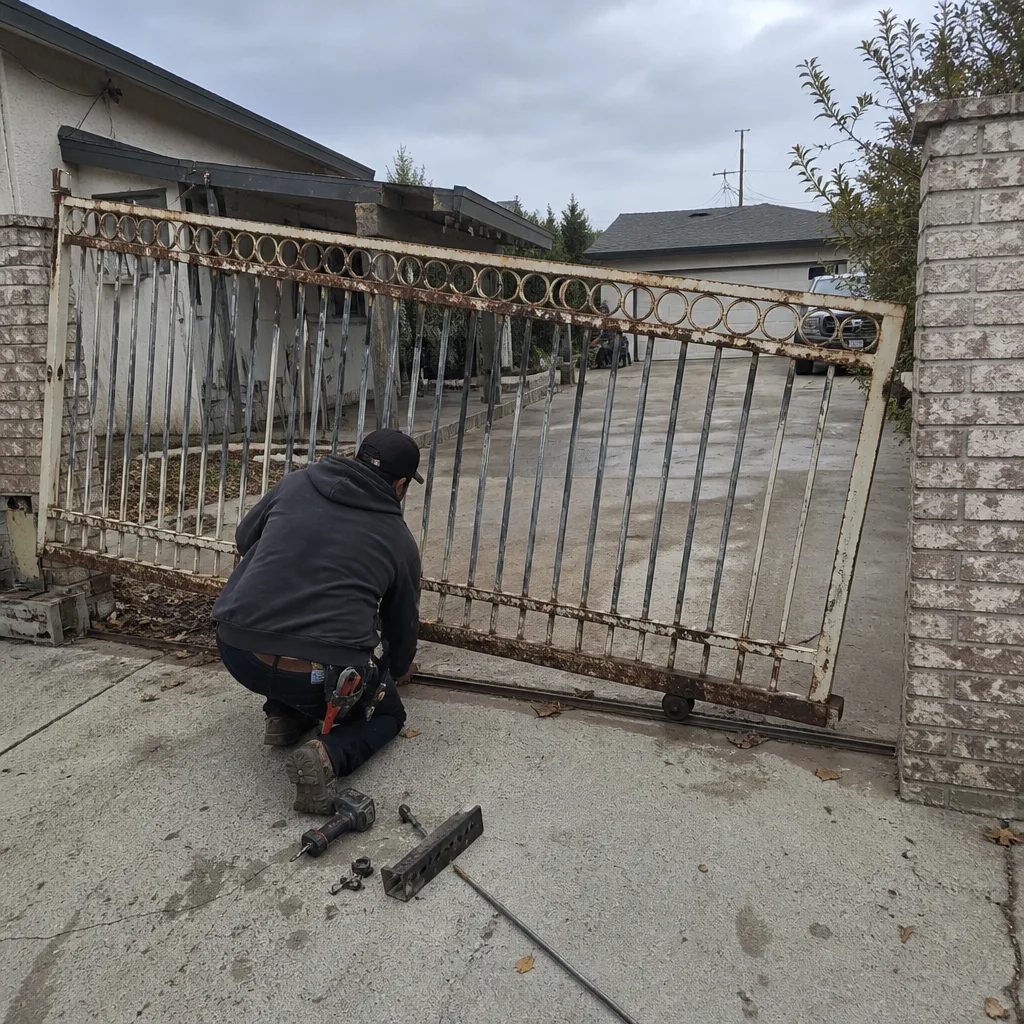
See the difference
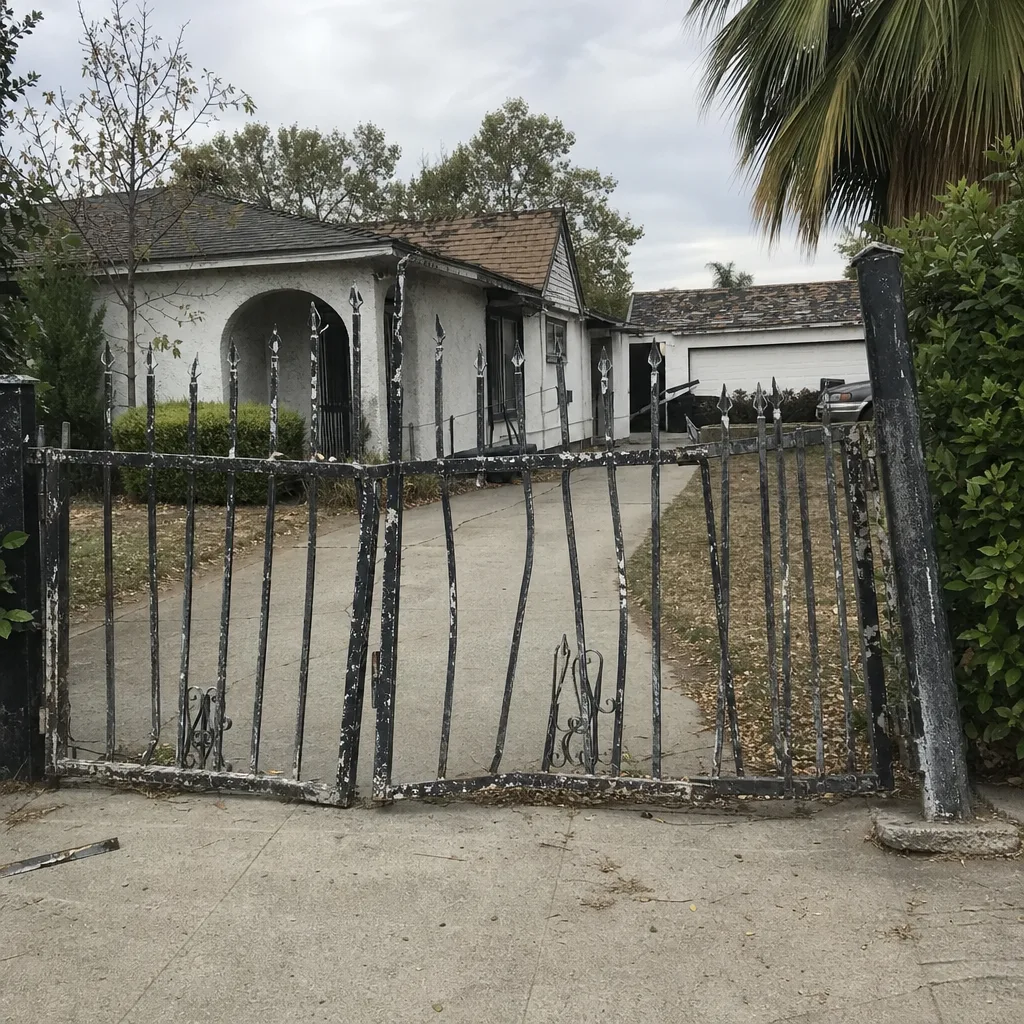 Before
 After
 Before
 After
 Before
 After