
Last updated November 14, 2026
 Wrought iron
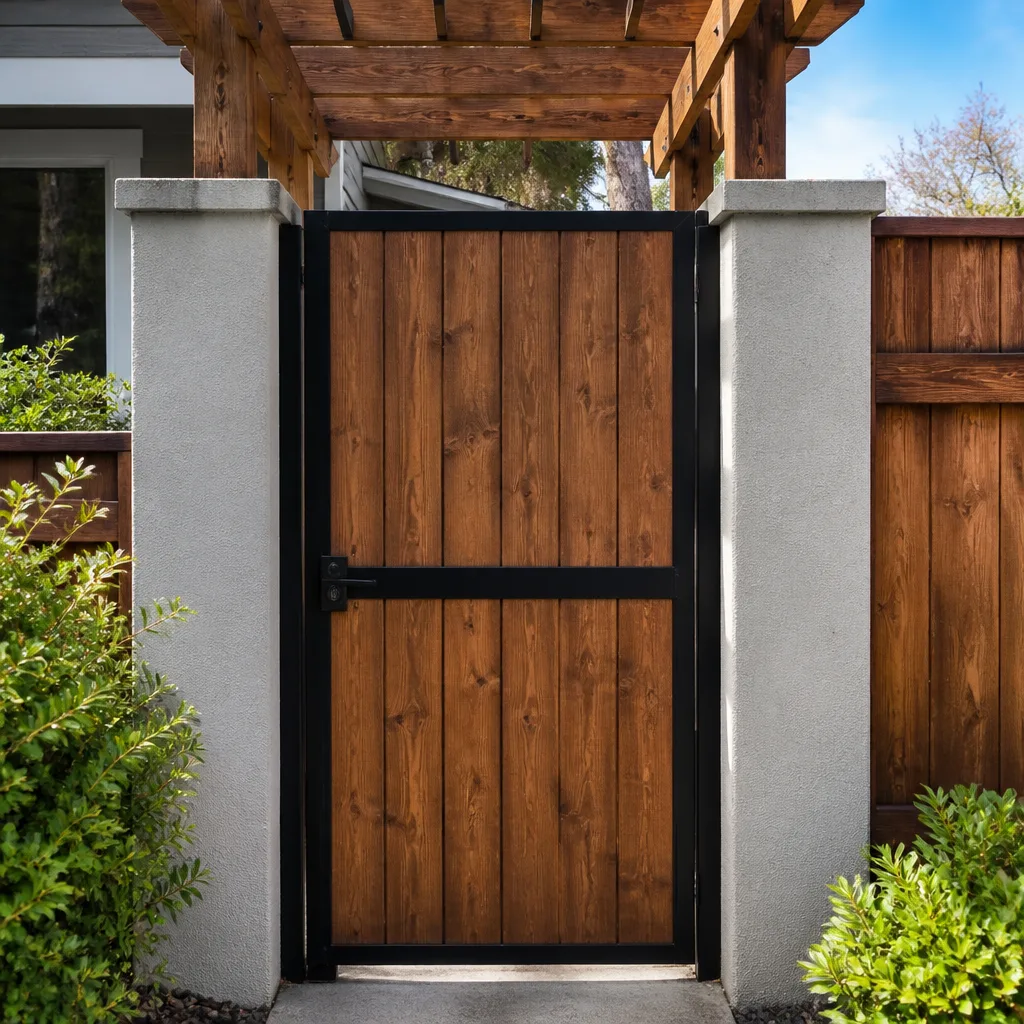 Wood & steel frame
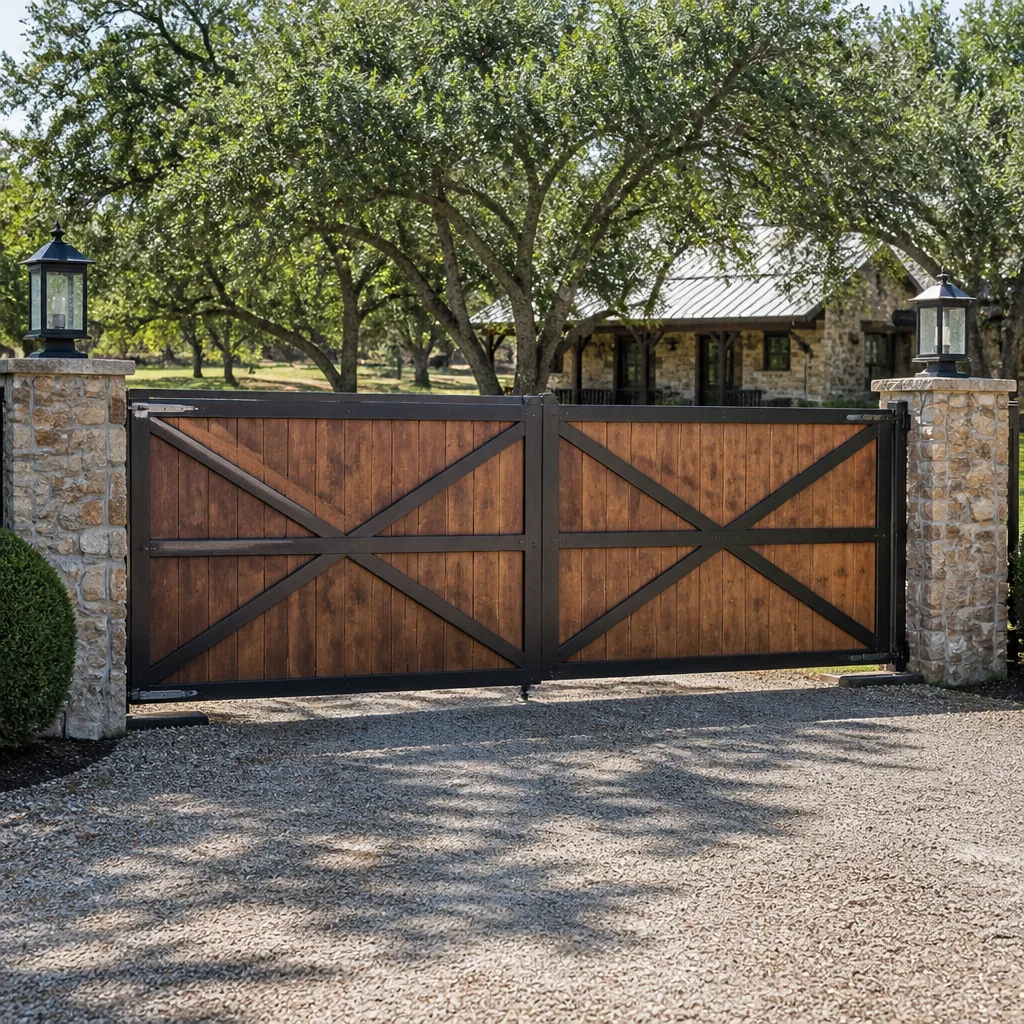 Farm & ranch
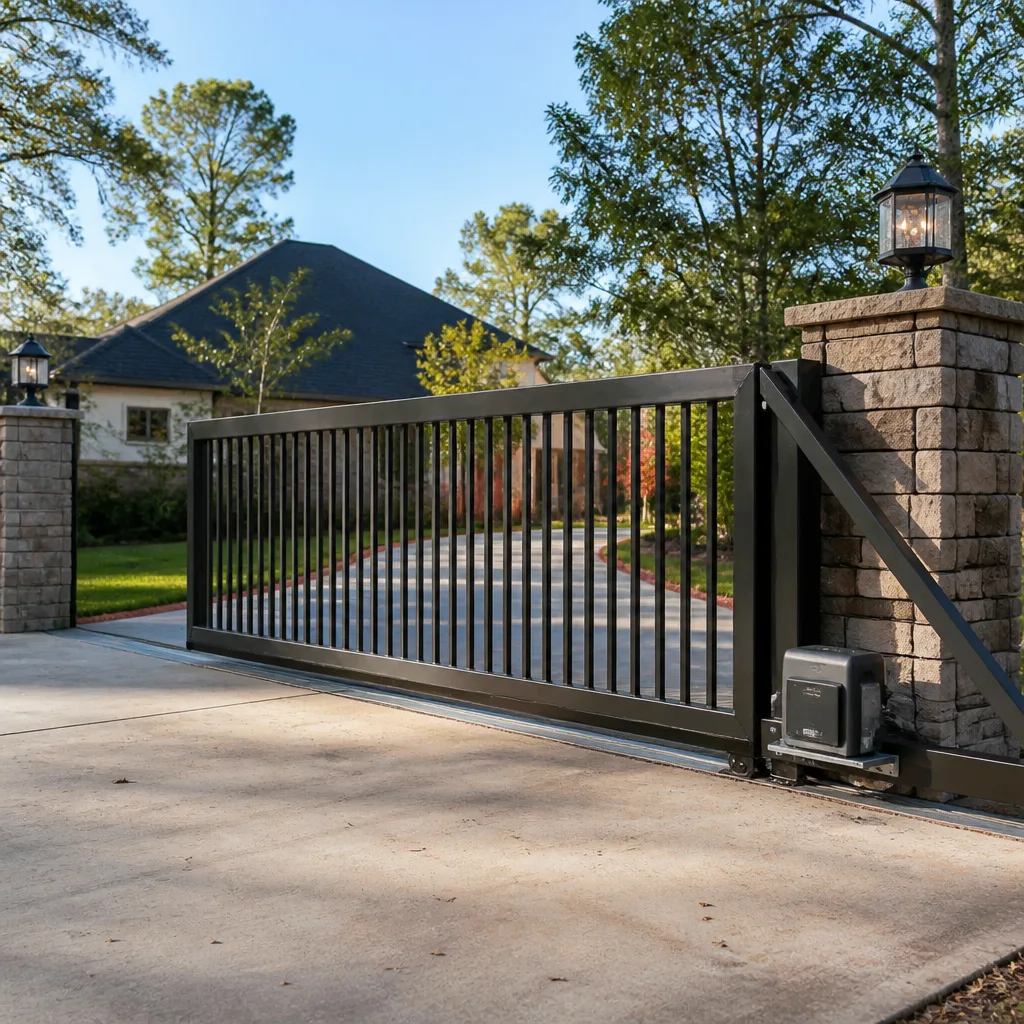 Sliding driveway gates
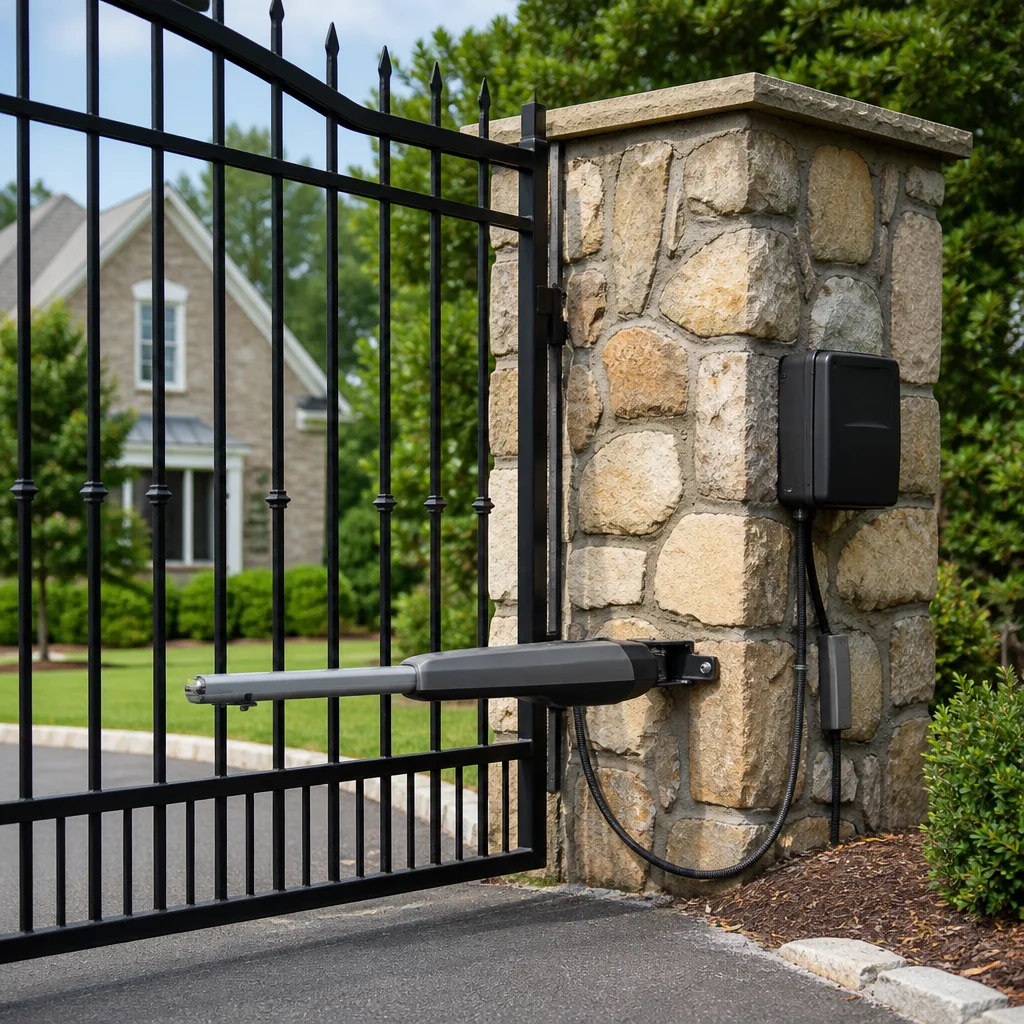 LiftMaster operators
Free on-site gate assessment - hinges, posts, and your LiftMaster or Nice gate operator checked before anything is quoted
The assessment is free and the quote is the invoice.
Get your free estimateGate Repair Permits, Codes & Inspections in Visalia, CA: What You Need to Know
Most people assume permits are a new-installation problem. Add a motor to a gate you already own, though, and you may have crossed into permit territory without realizing it. In California, automating a manual gate brings UL 325 entrapment protection requirements into play, and a gate that doesn’t meet them can leave you exposed if someone gets hurt. That’s the part of the conversation nobody has before the opener goes on. This guide walks through when a City of Visalia building permit is triggered, what an inspector actually checks, how HOA rules stack on top of city code, and what unpermitted gate work means when you sell a property in Tulare County.
Quick Answer
In Visalia, gate work needs a building permit when you add automation to an existing gate, change the structure or supports, or build near a public right-of-way. Automated gates must meet UL 325 entrapment protection standards, which an inspector tests during final inspection. Simple repairs like swapping a control board, a sensor or a remote usually don’t require a permit, but structural and automation changes do.
Styles & brands we work with
- Wrought iron
- Wood & steel frame
- Farm & ranch
- Sliding driveway gates
- LiftMaster operators
Table of Contents
- What Gate Work Requires a Permit in Visalia?
- What Does UL 325 Actually Require on a Residential Gate Operator?
- What Does a Gate Inspection Check?
- HOA Rules and City Permits: When Both Apply
- Unpermitted Gate Work and a Property Sale in Tulare County
- Commercial Gate Code: ADA and Fire Egress Rules
- Repair Versus Installation: What Needs Paperwork
- Common Mistakes to Avoid
- When to Call a Professional
- Frequently Asked Questions
What Gate Work Requires a Permit in Visalia?
A City of Visalia building permit is triggered by three main categories of gate work: adding automation to a manual gate, making structural changes to the gate or its supports, and building or altering a gate that sits near a public right-of-way. Routine repair rarely crosses into permit territory. New construction and automation additions almost always do.
The automation trigger catches people off guard. A homeowner with a manual swing gate decides to add an opener for convenience. The gate itself hasn’t changed. But once a motor drives the gate, the installation falls under UL 325 as an automated vehicular gate system, and that changes what the city expects to see on inspection. We’ve watched this play out across Visalia, particularly in neighborhoods where driveways back onto busier streets and people add automation for security. The gate was fine as a manual gate. Once it moves on its own, it’s a different piece of equipment in the eyes of the code.
Structural changes are more obvious. Widening a gate opening, replacing posts, changing the hinge or track arrangement, or altering how the gate anchors to the ground all mean the structure is being modified. That’s permit work.
Right-of-way adjacency is the third trigger, and it’s the one most often overlooked. If a gate swings, slides or otherwise operates within or near a public right-of-way, the city has a say in how it’s placed, how it operates and how it fails safe.
To sort out whether your project needs a permit, work through these questions:
- Is the gate currently manual and about to become automated? If yes, expect a permit.
- Are you changing the gate structure, posts, hinges, tracks or anchoring? If yes, expect a permit.
- Does the gate operate near or over a sidewalk, alley, street or other public right-of-way? If yes, check with the city before you build.
- Is the work a direct replacement of a failed component with a like-for-like part on an already-permitted automated gate? Likely no permit, but confirm with the city.
The safest move before any gate project in Visalia is a call to the city’s building department. Ask what they require for your specific situation and get the answer in writing.
What Does UL 325 Actually Require on a Residential Gate Operator?
UL 325 is the safety standard that governs automated gate operators in the United States, and it’s built around one core idea: a gate that moves on its own must not be able to trap, crush or injure a person. For residential gate operators, that means the installation must have entrapment protection appropriate to the way the gate moves and where a person could be caught.
There are two broad categories of protection. The first is inherent entrapment protection built into the operator itself, such as a motor that reverses when it senses resistance above a set threshold, or a built-in timer that limits how long the gate can push against an obstruction. The second is external entrapment protection, which means physical devices like safety edges, photoelectric sensors or proximity sensors placed to detect a person in the gate’s path.
What an inspector looks for on a residential gate comes down to four things:
- Entrapment zones are identified. Every point where a person could be caught between the moving gate and a fixed object must be protected. On a swing gate, that’s typically the hinge side and the closing edge. On a slide gate, it’s the leading edge and the area between the gate and any fence, wall or post it slides past.
- Safety edges are placed on the moving edge of the gate. The edge that closes against a person needs a sensor that stops or reverses the gate on contact.
- Photoelectric or proximity sensors cover the swing or slide path. These catch a person, a pet or an object before the gate reaches them.
- Reverse sensitivity is set and tested. The operator’s resistance threshold must be adjusted so the gate reverses when it meets an obstruction, and the inspector will test it by placing a resistance in the path.
The reverse sensitivity test is where we see the most failures in the field. An operator installed correctly but set to push too hard will fail. A gate that doesn’t reverse until it’s pressed against something solid isn’t meeting the standard. The installer needs to tune the operator to the weight and speed of the specific gate, then verify the reversal through an actual test. Brands like FAAC and BFT build adjustability into their operators for exactly this reason, and we tune those settings on every automated install we handle.
If you’re automating an existing gate in Visalia, this is the standard your inspector will hold you to. It’s also the standard your homeowner’s insurance carrier may look at if a gate injury leads to a claim.
What Does a Gate Inspection Check?
A gate inspection is not a general look-over. It’s a check of the specific items the permit was issued to cover, and the inspector works from a checklist. Knowing what’s on that checklist helps you understand what your installer needs to have finished before the inspection is scheduled.
For an automated gate, the inspector will typically review:
- The permit and approved plans. The work should match what was approved. Deviations need to be documented.
- Operator placement and mounting. The operator should be mounted per the manufacturer’s instructions, with the gate hardware attached correctly.
- Entrapment protection devices. Safety edges, photoelectric sensors and proximity sensors need to be in place, wired and functional.
- Reverse sensitivity testing. The inspector will physically test the reversal by placing an obstruction in the path.
- Warning signs and placards. Automated gates require visible warning signage on both the inside and outside of the gate, per the standard.
- Electrical connection. The power run to the operator must be done correctly, and if the permit covered it, it will be inspected.
- Grounding and bonding. The metal gate structure and operator need proper grounding to protect against electrical faults.
Inspectors in Visalia work on a schedule, so plan for the inspection to be a booked appointment rather than a same-day drop-in. That means an installer who finishes the work and schedules the inspection correctly the first time saves everyone a second visit. It’s one reason we treat the electrical side of an automated gate as part of the same job: circuit boards, sensors, loop detectors and power connections all get checked together, not handed off.
The best way to prepare is to have the installer walk you through the safety devices and demonstrate that they work before the inspector arrives. If you can’t get the gate to reverse on command, the inspector won’t either.
HOA Rules and City Permits: When Both Apply
In many Visalia-area developments, gate work can require approval from both the city and the HOA, and the two processes don’t automatically talk to each other. The city cares about safety and code. The HOA cares about appearance, placement and community standards. Meeting one doesn’t satisfy the other, and in some cases the HOA approval is required before the city will accept the plans.
When both apply, the sequence usually looks like this:
- Review the HOA’s architectural rules. Most HOAs have a defined process for exterior modifications, including gates and openers. Get the written requirements before you design the project.
- Submit the HOA architectural request. Include plans, material samples if required, and a description of the automation system.
- Wait for HOA approval. This can take time depending on the HOA’s review schedule.
- Apply for the City of Visalia permit. Submit the approved HOA documentation along with your plans if the city asks for it.
- Complete the work and schedule both inspections if needed. The HOA may want its own walk-through after the city signs off.
Gate style, color and material are common HOA sticking points. Automation hardware is another. An HOA may allow a swing gate but restrict the size or placement of the operator housing, or require the safety sensors to be mounted so they don’t show from the street. We’ve handled gate work in Visalia developments where the HOA cared as much about how the operator looked as whether it worked, and the plans had to show both.
If your property is in an HOA, start the HOA process first. Skipping it and going straight to the city has a way of turning into a stop-work order when the HOA finds out.
Unpermitted Gate Work and a Property Sale in Tulare County
Unpermitted gate work becomes a problem at the point of sale. When you sell a property in Tulare County, the buyer’s inspection and the title process often surface work that was done without a permit, and the seller is the one who has to resolve it. A gate that was automated without a permit can hold up a closing or reduce what a buyer is willing to pay.
What usually happens when an unpermitted gate turns up:
- The buyer’s inspector flags the gate as an unpermitted structure or an unpermitted electrical connection.
- The title company asks for documentation that the work was done to code.
- The city may require the work to be brought into compliance before a certificate of occupancy or a clear inspection.
- The seller either fixes it, credits the buyer to fix it, or loses negotiating room.
Bringing an unpermitted gate into compliance is possible, and it usually follows a set path. The first step is a call to the City of Visalia building department to explain what was done and ask what they need to see. Often the city will ask for an as-built plan showing the current installation, an inspection of the existing work, and any corrections needed to meet current code. If the gate was automated without UL 325-compliant entrapment protection, the corrections will focus there.
Then the work gets done. Safety edges go on, sensors get wired, the operator gets tuned to the gate, and the installation is brought up to the current standard. The city inspects, and once it passes, the permit is closed and the compliance question goes away. Our technicians have up to 14 years of experience bringing existing gate systems into compliance, and a good chunk of that work is on gates that were installed years ago without the paperwork.
If you’re selling and you’re not sure whether your gate was permitted, find out before the buyer’s inspector does. A free estimate from us can tell you what needs to change to meet code, and that gives you a number to work with instead of a surprise at closing.
For gate repair and compliance work in Tulare County, start with gate repair and we can tell you what your installation actually needs.
Commercial Gate Code: ADA and Fire Egress Rules
Commercial gates carry code requirements that residential gates don’t. Two of the biggest are ADA path-of-travel rules and NFPA 101 fire egress requirements. In Visalia commercial zones, both can apply to the same gate, and getting one right while missing the other is a common failure.
The ADA piece deals with how people move through a property. If a gate sits along a path that’s supposed to be accessible, the gate’s operation, controls, clearance and timing all need to work for people using wheelchairs, walkers or other mobility aids. That means the gate can’t create a pinch point, the controls need to be reachable and usable, and the timing needs to allow a reasonable person to pass through without being hit or trapped.
The NFPA 101 piece deals with fire egress. A gate on a path that’s supposed to serve as an exit during an emergency has to open properly under the fire code, whether or not the operator has power. That means fail-safe operation, manual release hardware and clear signage are part of the design.
Commercial gates also face duty-cycle realities that residential gates don’t. A gate on a busy commercial property opens and closes far more times per day than a driveway gate, and the operator has to be rated for that load. We work with commercial-grade operators from brands like DoorKing and FAAC that are built for high-cycle use, and the code compliance conversation is part of the same job as the equipment selection.
If you manage a commercial property in Visalia and you’re changing a gate, adding automation or opening a new path of travel, get the code review done before you order equipment. The requirements shape the design, not the other way around.
Repair Versus Installation: What Needs Paperwork
Not every gate job needs a permit, and knowing the difference saves time and money. The clearest line is between repair and installation. Repair work on an already-permitted, already-compliant gate system usually doesn’t trigger a new permit. Installation work, automation additions and structural changes usually do.
Here’s how the split generally falls:
- Typically no permit needed: replacing a failed control board, swapping a safety sensor, replacing a remote or keypad, changing a battery backup, replacing a worn safety edge with the same type, repairing a hinge or roller that’s worn.
- Typically needs a permit: adding automation to a manual gate, replacing the operator with a different type or model, changing the gate structure or posts, moving the gate to a new location, changing the electrical service to the operator, building a new gate.
The borderline cases are where it pays to ask. Replacing a swing operator with another swing operator of the same type is usually a repair, but if the new unit has different entrapment protection requirements or changes the electrical load, it can tip into permit territory. Replacing a safety edge with the same edge is a repair. Adding a safety edge that wasn’t there before is a change to the safety system and should be checked.
The electrical side deserves its own caution. A gate operator’s power run involves line voltage, and getting it wrong is a safety issue, not just a code issue. This is not a job for a homeowner with a wiring diagram. It’s the kind of thing that gets done right or gets done again, and the second time it usually costs more. If your gate repair involves opening a control box and touching the power side, call a technician. We handle the electrical connection, the low-voltage controls, the sensors and the operator as one job, and we can tell you before we start whether the work needs the city involved.
For electric work specifically, our electric gate repair team deals with these systems every day and can sort out whether you’re looking at a repair or a permit job.
Common Mistakes to Avoid
- Assuming a repair never needs a permit. Most repairs don’t. But if the repair changes the type of operator, adds a safety device that wasn’t there, or touches the electrical service, it can. Checking first takes five minutes and can save a stop-work order.
- Adding an opener without checking UL 325 requirements. The most common mistake we see in Visalia is a homeowner or a general contractor bolting on an opener and calling it done, without safety edges, without sensors, without reverse sensitivity testing. That installation may work, but it doesn’t meet the standard, and it leaves the property exposed.
- Skipping the HOA step. HOAs in Visalia-area developments can require their own approval before the city will accept the plans, and some won’t approve the work retroactively without a penalty. Start with the HOA if you have one.
- Trusting a verbal “it’s all handled” from a contractor. If the work needs a permit, get the permit number and the inspection record in writing. A contractor who won’t pull a permit for permitted work is telling you something.
- Closing on a property without checking the gate paperwork. Buyers should ask for the permit history on any automated gate on the property. Sellers should check before they list, not after the buyer’s inspector does.
- Letting an unpermitted gate sit for years. The longer it sits, the more code revisions it falls behind, and the more work it takes to bring it current. The price of compliance doesn’t get cheaper with time.
- Choosing a contractor who doesn’t know the brand. An operator that’s failing because of a control board setting and an operator that’s failing because of a worn gear are two different problems. A technician who knows FAAC, BFT, Linear and Viking systems diagnoses the actual fault instead of guessing and replacing.
When to Call a Professional
There’s a short list of gate situations where a homeowner should stop and call a technician rather than take the work on. The clearest ones: when the gate involves a high-voltage electrical connection, when the gate is automated and needs entrapment protection that isn’t there, when the gate structure has shifted or become unstable, when the gate is on a commercial property subject to ADA or fire egress rules, and when you’re not sure whether a permit is needed at all.
We handle the full lifecycle of gate work in Visalia. That means we can diagnose an existing gate, repair what’s failing, bring an unpermitted installation into compliance, and install a new system from the ground up. We work on the equipment the customer already has, including systems from LiftMaster, FAAC, BFT, Linear, Viking, Ghost Controls, DoorKing, Elite and Mighty Mule, so we’re not steering you toward a replacement to protect a dealer relationship.
Gate Repair Visalia offers free estimates in Visalia. Call (844) 702-1433. We answer 24/7. Fast dispatch, 7am-7pm, Sunday through Friday. Same-day service is available for repair work, and the price is set per job by the written estimate before any work starts.
Frequently Asked Questions
In most cases, yes. Adding automation to a manual gate changes the gate into an automated vehicular gate system, which brings UL 325 entrapment protection requirements into play, and the City of Visalia generally requires a building permit for that change. Call the city’s building department with your address to confirm what they need. If you want the installation done right the first time, call (844) 702-1433 for a free estimate.
The inspector checks the permit and approved plans, the operator mounting, the safety edges, the photoelectric and proximity sensors, the reverse sensitivity setting through an actual test, the warning placards on both sides of the gate, the electrical connection, and the grounding. Bring the installation to the standard before the inspection is scheduled, because a failed inspection means a second visit and a second wait. Call (844) 702-1433 and we’ll get the safety system right before the city arrives.
Pull the permit history for your address through the City of Visalia building department. If there’s no record of a permit for the gate or its automation, and the gate is automated or structurally newer than the house, it’s likely unpermitted. The fix is an as-built review, compliance work where needed, and a follow-up inspection. Call (844) 702-1433 and we’ll tell you what the installation actually needs.
Yes. An unpermitted gate can be flagged by the buyer’s inspector or the title company during a sale, and the seller is usually the one who has to resolve it, either by bringing the work into compliance or by crediting the buyer. Getting the compliance work done before listing is cleaner than negotiating it after. Call (844) 702-1433 for a free estimate on what your gate needs.
Yes. Commercial gates carry ADA path-of-travel requirements for accessible routes and NFPA 101 fire egress requirements when the gate is on an exit path, along with higher duty-cycle demands on the operator. Getting both right on the same gate is part of the design. Call (844) 702-1433 and we’ll walk through what applies to your property.
That’s a question for your insurance carrier, and the answer depends on the policy. What we can say is that a gate automated without UL 325-compliant entrapment protection isn’t meeting the safety standard, and that’s the kind of gap a carrier can point to when reviewing a claim. Getting the gate into compliance before something happens is the practical move. Call (844) 702-1433 for a free estimate.
The Bottom Line
Gate work in Visalia follows a simple logic. Repairs usually don’t need a permit. Automation additions, structural changes and right-of-way work do. Automated gates need UL 325 entrapment protection, and an inspector is going to test it. HOAs add a second layer of approval on top of the city’s, and commercial gates bring ADA and fire egress requirements into the picture. Unpermitted gate work is fixable, but it’s easier to fix before a sale than after. If you’re not sure which side of the line your project falls on, get the answer from someone who works on gates every day.
If you’re in Visalia and you need a gate diagnosed, repaired or brought into compliance, Visalia is where we work. Call (844) 702-1433. We answer 24/7. Fast dispatch, 7am-7pm, Sunday through Friday. The estimate is free and the price is quoted and agreed before any work starts.
Written by the team at Gate Repair Visalia.
See the difference
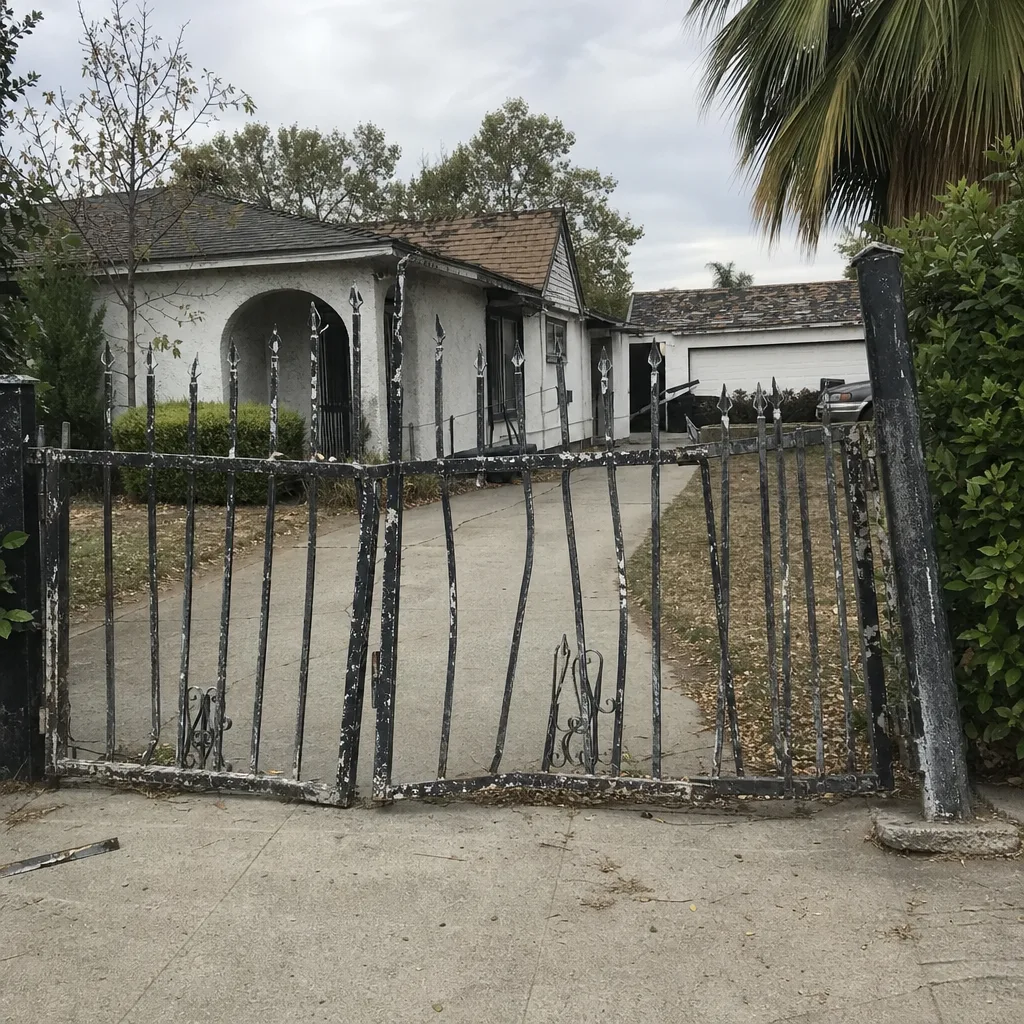 Before
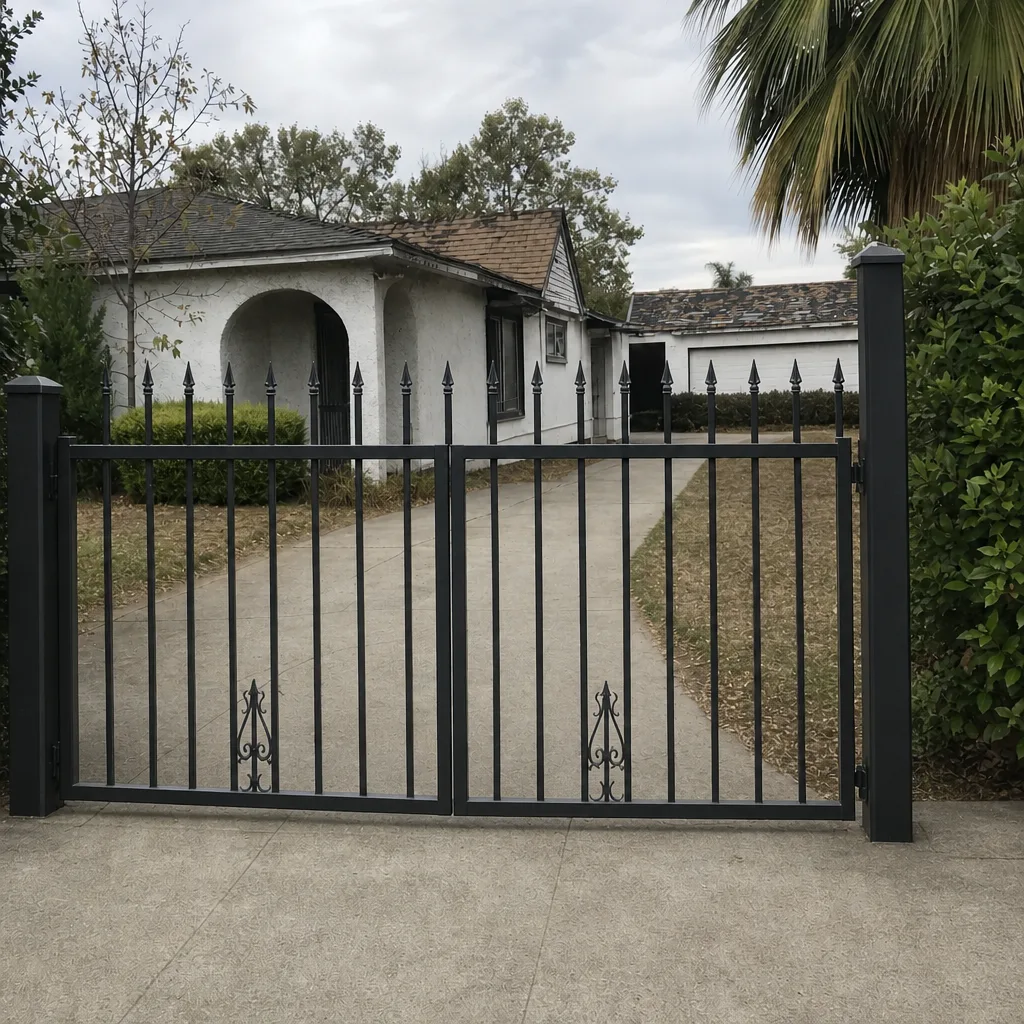 After
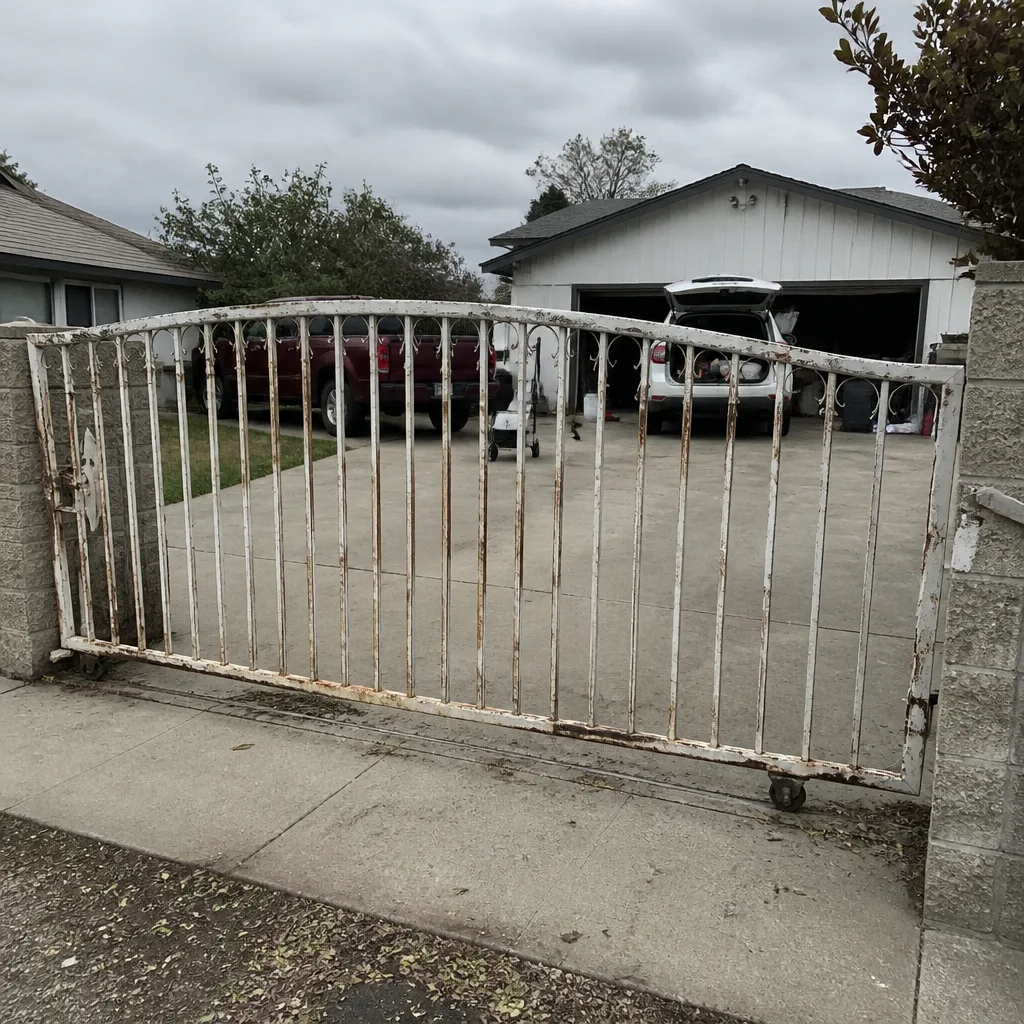 Before
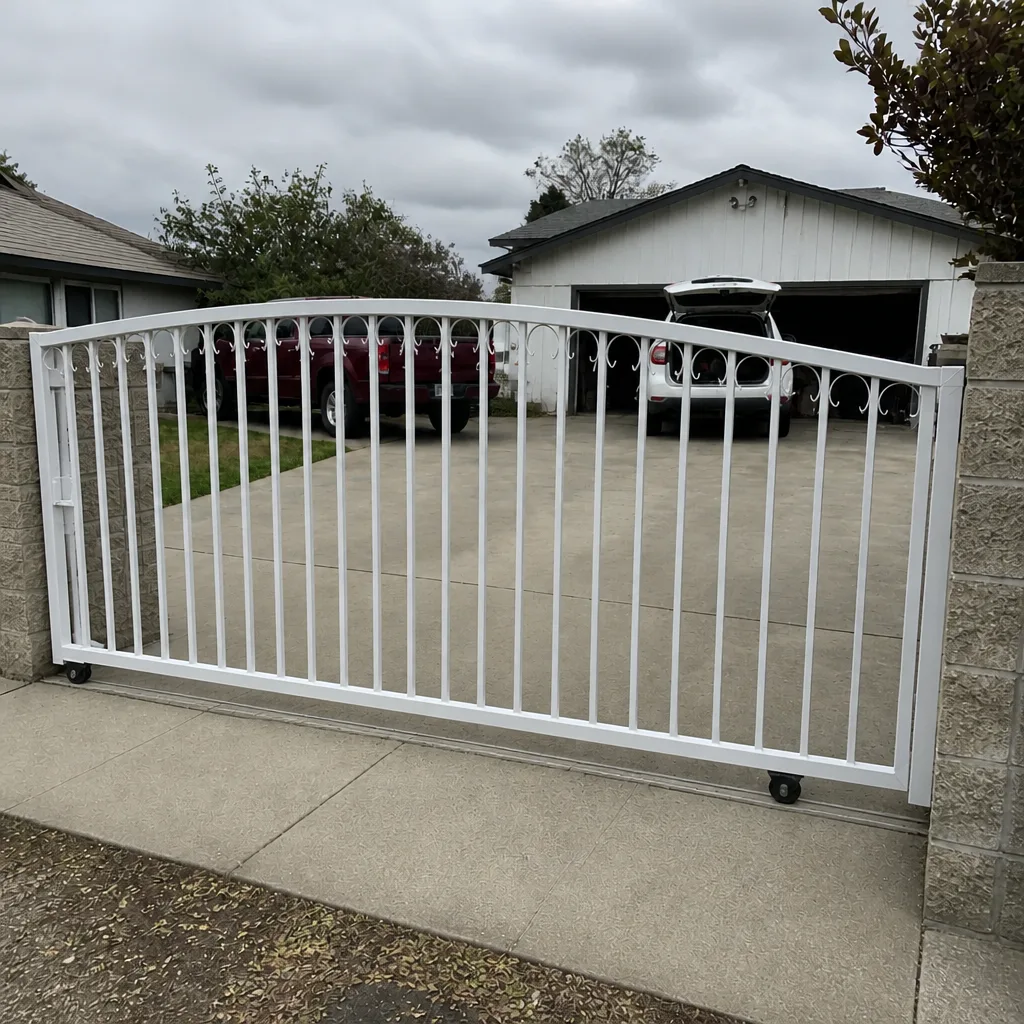 After
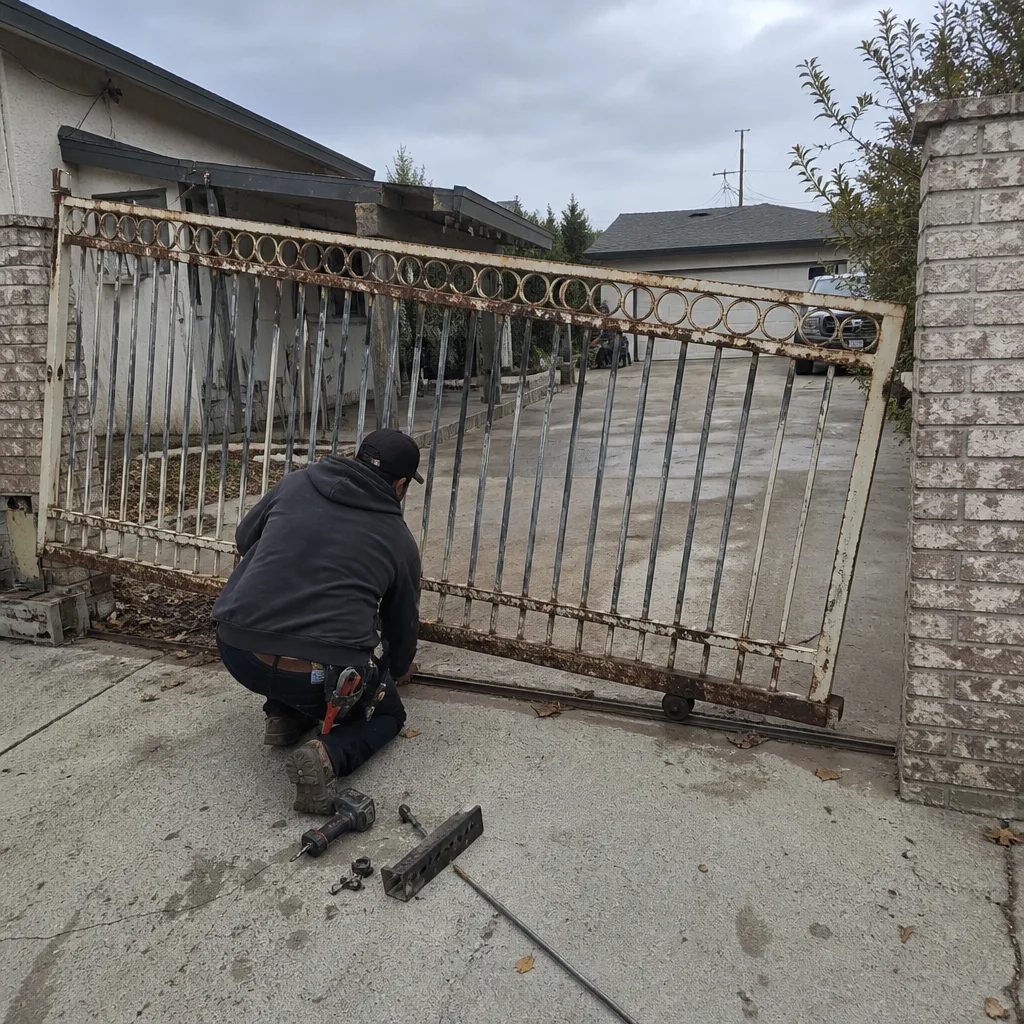 Before
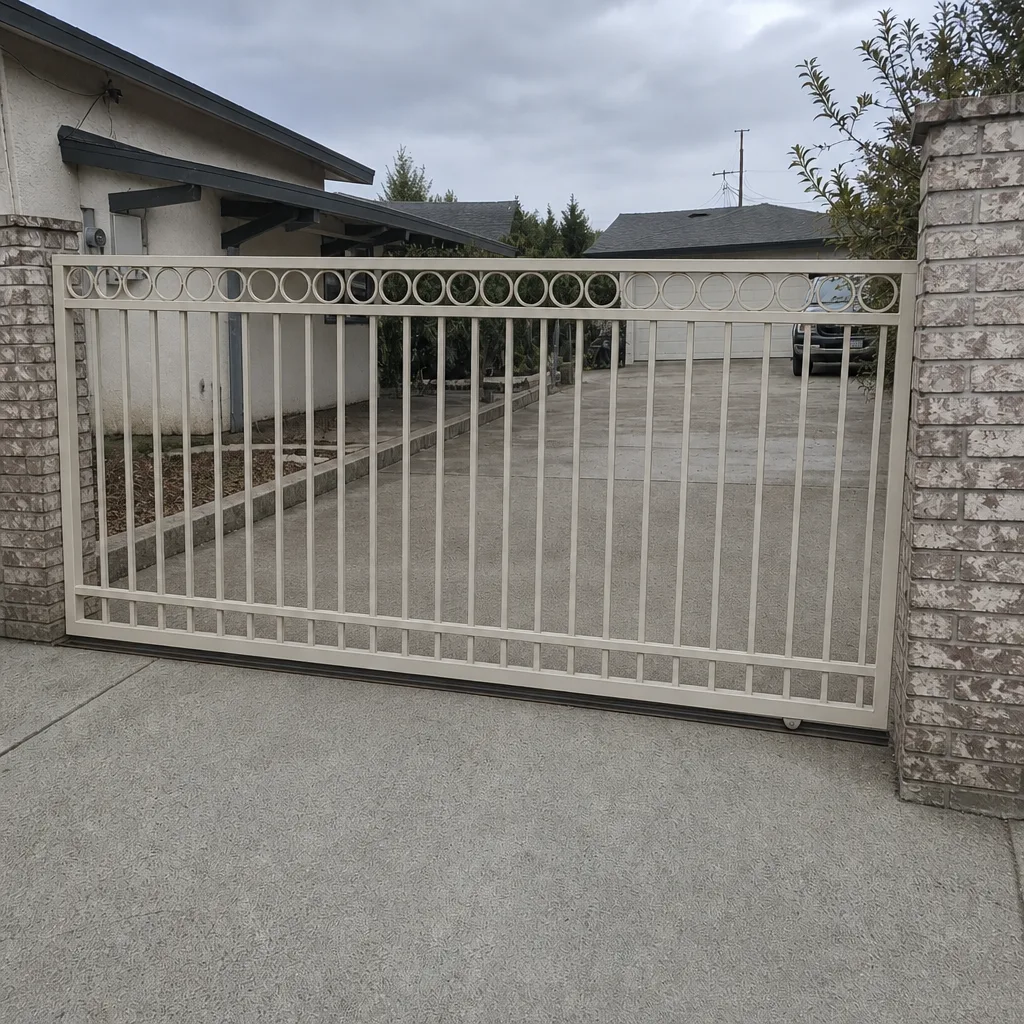 After